
Autumn Campus Recruiting for AI Roles: Early, Main, and Late-Round Timing
Autumn Campus Recruiting for AI Roles: Early, Main, and Late-Round Timing

Many people preparing for autumn campus recruiting into AI roles fail on timing, not ability. They polish a resume until September and discover the early round quietly opened in July, with top algorithm and AI product jobs already locked in their first batch. Others mass-apply for a week in the main round, then panic because they forgot that a late round is still ahead.
Autumn AI recruiting moves differently from ordinary roles: the season starts earlier, has more batches, relies heavily on video interviews, and many employers screen test papers with large language models and run the first round through automatic speech recognition. That context means your preparation timeline should follow the employer’s rhythm, not “apply once I feel ready.”
Here is a practical timing method: how to pace the three rounds, how to break down each week, how to stay reachable from any device, and how to recover if you missed an earlier batch.
Recommended First: Use OfferGoose to Keep One Resume Ready Anywhere, Anytime
Because AI interviews can arrive on short notice, keep your resume and project materials reachable on every device. OfferGoose’s cross-device support ties your resume, mock practice, and review into one ready-to-go set, so a surprise invite never catches you scrambling.
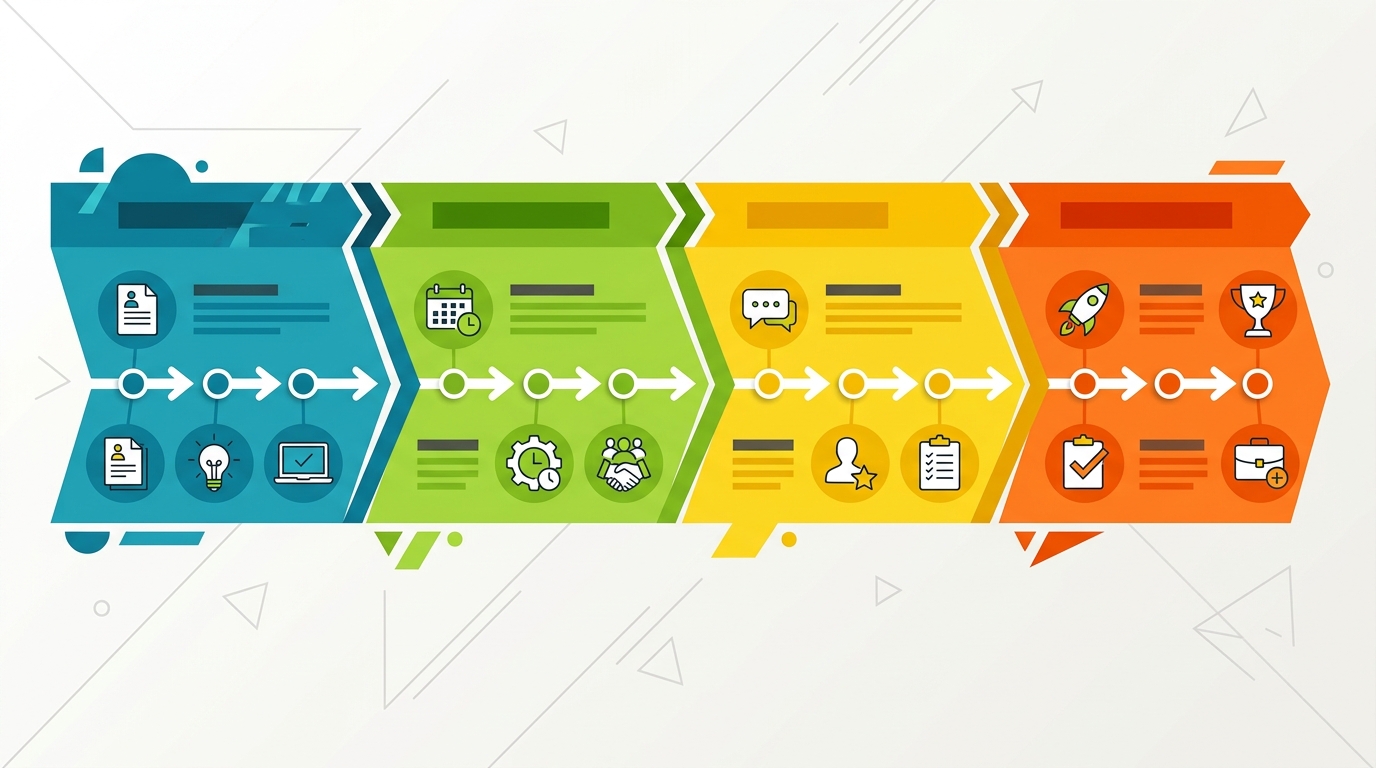
Run the Rhythm: Early, Main, and Late Rounds
Early round: the real first window
The early round usually opens first, commonly from mid-July to August. It features premium roles and a fast process, and it does not conflict with the main round, so you can run both in parallel. Many AI candidates skip it because they feel unprepared. But the early round is the lowest-pressure batch: competitors have not mobilized yet, and even if you do not pass, you carry the learnings into the main round with questions answered.
Main round: the main battlefield
From late August to mid-to-late October is the main stage, with the largest volume and the most complete set of roles. This round is about getting picked out of a flood: whether your resume clears the machine screen and whether you can perform consistently in interviews. That is why resume-to-job-description fit and mock interview fluency need to be in place before the main round begins.
Late round: the easiest window to underrate
From November to January, employers run late rounds because of team changes or new business lines. This batch is more scattered, often not through public listings, and depends on networks and referrals. It can rescue people who stumbled in the main round, but only if they already have real project evidence and interview experience, because a late round still does not accept people who have nothing to show.
This table aligns the three rounds at a glance:
| Round | Typical window | Character | Your focus |
|---|---|---|---|
| Early | mid-July to August | premium roles, fast | polish resume, dual-track apply |
| Main | late Aug to October | most roles, max competition | JD fit, mock fluency |
| Late | November to January | scattered, referral-based | build evidence, keep networks |
Why AI Roles Reward Good Timing: Machine Screens and Video Calls
Early submission matters more under machine screening
AI applications often hit a machine first: an applicant tracking system or a batch filter reads the resume before a human does, and thin keyword coverage sends it to the bottom. The machine does not care whether you feel perfectly ready; it only checks for the signals it wants at that moment. That makes “submit early and iterate” more practical than waiting for a perfect first version, because your first draft rarely covers everything.
Video interviews mean you may be called at any time
AI-related roles often accept remote first rounds, and the forms vary: technical rounds, behavioral interviews, and even interviewers generated with text-to-speech. This “you may be called anytime” rhythm requires your resume, introduction, and project evidence to be reachable from any device, not buried in a folder nobody opens.
This is exactly where OfferGoose’s cross-device coverage helps: whether you are on a laptop or a phone, you can pull up the same resume and the same project materials the moment you get an interview invite, so a surprise call never catches you scrambling.
A 12-Week Rhythm Method for Your Search
This method splits the season from before applications open through post-submission, so you always know what to do each week.
Weeks 1-4: build the foundation, before you apply
No applications in this phase. Two goals: decompose the job descriptions of the three AI roles you want most into a capability list, and translate your past projects into a resume evidence chain against that list. The point is to work backward from one target role, not to pile up experiences blindly.
Weeks 5-8: batch apply and first mock rounds
As the main window opens, apply in batches and tailor the resume per role. Meanwhile run one or two mock interviews weekly and use the deep review to see your real level in STAR structure and follow-up handling. The most common mistake here is “apply and wait,” which pushes interview preparation until after the invite arrives.
Weeks 9-12: live interviews and late-round groundwork
As interviews become frequent, extract one improvement from each review so you get more stable with every round. Around November, start the late-round plan: refresh your resume versions and maintain referral channels. If you already have real track record from the main round, the late round can actually close faster.
How to Recover If You Missed the Early or Start of the Main Round
Do not spiral; run a review and reposition first
The classic reaction to missing a batch is “I am late again.” But recruiting is a long race, and what matters is whether your resume can compete now. Run an objective check of logic, JD fit, and quantification to find your weak points. That is more useful than staying stuck in worry.
Win back time with fast iteration
The core of recovery is shortening each cycle: revise one resume version against the JD today, submit tomorrow, and do not wait for perfect. Each submission cycle tells you what to fix. Treat the second submission as an upgraded version of the first. This is usually more effective than polishing in place for a third week. Here is a weak-to-strong rewrite:
Before:
I joined a campus data project and handled data processing and analysis to improve efficiency.
After:
In a campus user-behavior project, I cleaned and analyzed features in Python, processed 20,000 records, cut anomaly-detection time from three hours to 40 minutes, and turned the findings into three actionable operations suggestions.
Why this version works: it names a specific project, concrete actions, numbers, and an outcome. Those are the exact signals a machine screen captures and the hooks an interviewer can follow up on. It upgrades “I participated” into “I can solve this kind of problem independently,” which raises both credibility and job-description fit.
FAQ
General Questions
When should I start applying for AI roles in autumn recruiting?
There is no single answer, but the early round often opens in July and the main round concentrates from late August to October. The safest approach is to start watching target company sites and feeds in July, get your resume to a “submittable” state, and then join whichever batch matches your level of readiness.
Do all AI roles go through a machine screen?
Not all, but it is more common for technical and algorithm roles. Where an applicant tracking system or batch filter is used, keyword coverage and format matter. Do a resume-to-JD fit check before submitting, and do not use one resume for every role.
Is it still possible to recover if I missed the early round?
Yes. The main round has more roles, and the late round is a real comeback window. What decides the outcome is the strength of your resume and interview skills, not which batch you joined. Focus on project evidence and interview iteration rather than second-guessing the batch.
Can I prepare from my phone for frequent video interviews?
Yes. Choose a product that works across devices so you can pull up your resume and project materials for a final rehearsal the moment you get an invite. That is why the practical value of a rhythm tool depends on whether it actually covers your real usage scenarios.
Questions About OfferGoose
How does OfferGoose help with recruiting timing?
OfferGoose keeps one resume and one set of job descriptions as a single evidence chain across matching, mock practice, live support, and review. That means each stage feeds the next, so your timeline does not fragment across different tools, and you stay submittable and interview-ready on schedule.
Is the cross-device support practical for on-the-go interview prep?
Yes. OfferGoose is designed so you can access the same resume and project materials on your phone and laptop, letting you do a final run-through no matter where an interview invite finds you.
Summary
Winning autumn AI recruiting is about keeping your rhythm steady, not knowing more facts. The early round opens sooner, the main round has the most roles, and the late round lets you bounce back. Break the timeline into phases, give every week a clear action, and use cross-device tools so you are always ready to go. See practical examples at the OfferGoose blog if you want a model to follow. Missing one batch is normal; what decides the outcome is the resume and project evidence you can show right now. Visit the official site to learn more and try before you decide.