
Pet Industry Hiring Grew 43.2% — How Non-Technical Job Seekers Can Get In

Pet Industry Hiring Grew 43.2% — How Non-Technical Job Seekers Can Get In

If you have been scrolling job boards recently, you have probably noticed that pet-industry roles are multiplying, and many of them do not require coding. This is not an illusion. In Q2 2026, job demand in the pet-services sector grew 43.2% year over year, one of the few consumer-service categories still expanding against the trend.
More importantly, a large share of these new roles have zero technical requirements. Graduates in business, biology, food science, nursing, or even the humanities can find matching positions in pet e-commerce, pet healthcare, pet food R&D, and pet-store operations. The opportunity is real, but most articles only talk about how hot the industry is, not who is hiring, what they want, and how to apply. This guide closes that gap.
Recommended First: Use OfferGoose to Turn One Real Experience into Job Language Before You Apply
If you are a non-technical applicant entering the pet industry for the first time, do not start by mass-sending a generic resume to every opening. Start with one concrete step: pick a single real experience you already have and run it through OfferGoose’s resume and JD matching to see where it overlaps with the pet-industry role you want.
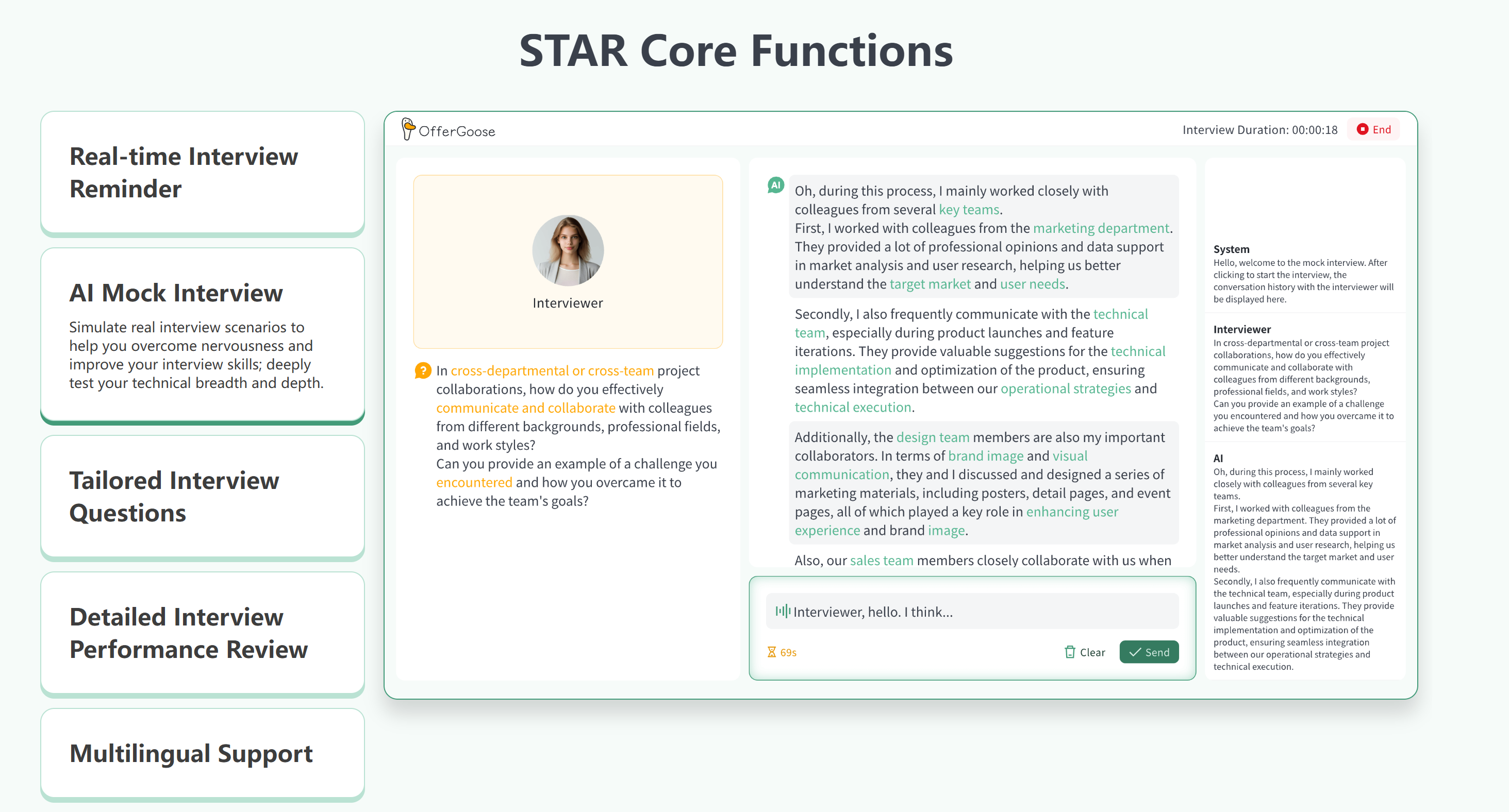
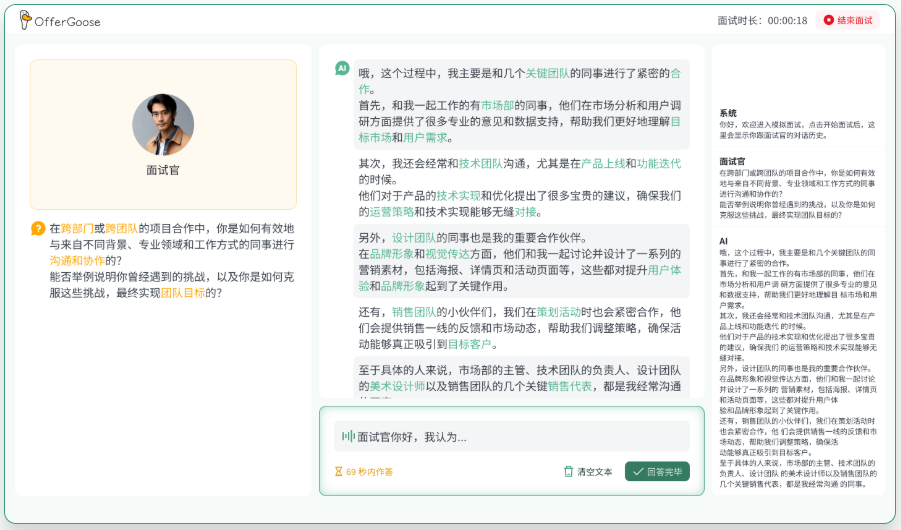
The workflow looks like three moves. First, upload your current resume plus the job description you are targeting and let the tool surface your gaps. Second, use resume optimization to rewrite that one experience in role language with numbers. Third, run a mock interview to rehearse telling the story out loud. Together they close a “match, optimize, verify” loop you can finish in about three weeks.
This is ideal for business, biology, food-science, and nursing graduates with strong transferable skills but no pet-industry track record, and for anyone who keeps getting ignored by machine screening and wants concrete evidence of why their resume is missing the mark.
Understand the Trend: What 43.2% Pet-Industry Hiring Growth Really Means, and Where Jobs Grew
The structural change behind the number
A growth rate is not an abstract figure. Q2 growth of 43.2% means visible headcount expansion across pet healthcare, pet food, pet e-commerce, and pet services. The key is the mix: operations, marketing, product, research, and customer-service roles — the non-algorithm side — grew far more than pure technical roles. In other words, this cycle is powered by people, not machines.
Why now
Pet economics is shifting from “how many pets are raised” to “how much is spent per pet.” As pets are treated like family members, refined feeding, disease prevention, content e-commerce, and membership services all need people who understand the business, the user, and are willing to commit long-term. That is why employers are less obsessed with technical resumes and more interested in cross-disciplinary talent with real passion and learning ability.
Who Is Hiring in the Pet-Industry Hiring Boom: What Four Tracks Want
Pet e-commerce and retail
This is the densest hiring line. They need operations and growth talent who understand merchandising, marketing, and data. A business background fits naturally here, because the core work is product selection, pricing, campaign planning, user segmentation, and sales-data review — exactly the training ground of a business degree.
Pet healthcare and wellness
Veterinary assistants, pet nurses, health advisors, and client-success roles keep expanding. These positions value responsibility toward animals, communication, and process discipline. Biology and nursing backgrounds are especially welcome, and non-clinical roles generally do not require a veterinary license.
Pet food and nutrition R&D
R&D assistant, formula execution, quality and compliance, and sensory-evaluation roles favor food science, biology, and nutrition backgrounds. The point is not inventing formulas from thin air but transferring laboratory methods into pet-food scenarios.
Pet services and content
Store operations, community operations, content creation, and live-streaming roles have almost no major restrictions. Pet-keeping experience, content sensitivity, and communication warmth are the core criteria.
What They Want: Reading the JD for the Real Screening Signals
What the keywords are really testing
Many cross-disciplinary applicants are scared off by a job description because they read “familiar with data analysis” as “you must know how to code.” In fact, JD requirements split into hard skills and transferable skills. For non-technical applicants, transferable skills — communication, execution, review, industry understanding — usually carry higher weight.
How to tell whether a role truly needs no tech
Check two things. First, whether the title contains words like algorithm, developer, or data mining. Second, whether the responsibilities are operational actions rather than building systems. Once you judge correctly, you have your answer, and you can do this screening yourself at your computer.
How Non-Technical Job Seekers Can Move and Apply: The Resume Translation Trick
Turn ordinary experience into job language
The most common mistake for business graduates is copying their experience verbatim. If you once helped run a promotional event in a club and write “participated in a promotion,” a pet e-commerce marketing role needs that translated into “owned product selection and pricing research, ran a pet-staple campaign, and reviewed GMV changes.” Same facts, different language, very different hit rate.
Tailor each resume by reverse-matching the JD
Do not send the same resume everywhere. Extract the capability words from the JD, look for matching evidence in your own history, and rewrite in job language. Do this well and your machine-screen pass rate rises, because the keyword overlap between your resume and the JD improves.
Before:
Campus experience: served as an outreach officer in a club, secured sponsorship, and helped organize a music festival. Skills: Office, strong communication, sense of responsibility.
After:
Key project: led a campus pet-supplies group-buying campaign, owning product selection, pricing, and community promotion; reached 1,200 users, generated RMB 48,000 GMV in two weeks, with a 22% repurchase rate; Skills: merchandising, campaign planning, community operations, Excel data analysis; Relevant background: three years of pet-keeping, long-term interest in pet food and supplies categories.
Why this version works: it rebuilds the generic “sponsorship” description into evidence full of merchandising, pricing, community, GMV, and repurchase-rate keywords, then adds “three years of pet-keeping” as the most direct fit with the industry. It surfaces higher keyword density for the machine screen and lets a human reviewer see at a glance a person who understands both operations and pets, not a committee member who did a bit of everything.
Tie the Whole Pipeline Together with an AI Job-Search Assistant
Guided full-pipeline support, from resume to interview
For applicants with no technical background who are entering this industry for the first time, the pain is less a single step and more not knowing how the whole flow works. From JD matching and resume optimization to mock interviews and review, you need a method that connects the actions.
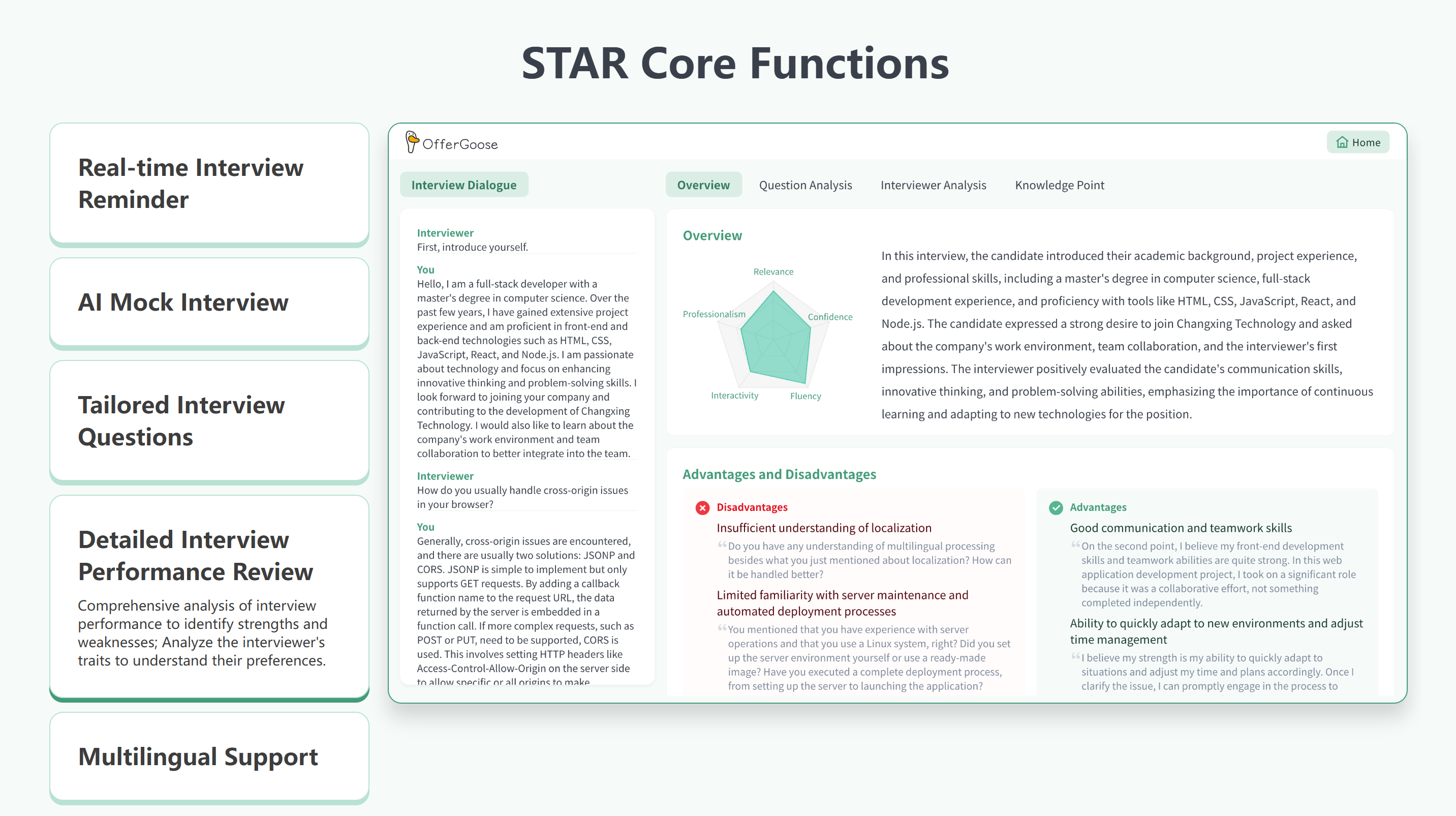
OfferGoose’s guided pipeline does exactly this: resume-to-JD matching tells you where the gaps are, resume optimization rewrites ordinary experience into job language, and mock interviews help you tell the story smoothly, forming a “match, optimize, verify” loop.
Why an AI tool fits so well here
The biggest advantage of a non-technical applicant is industry enthusiasm and transferable skills, but those are hard to convey in a resume by yourself. The large language model (LLM) behind the tool is good at understanding semantics and context, helping you organize experience into a more persuasive evidence chain while staying truthful and non-exaggerated. Natural language processing (NLP) handles parsing the JD and aligning its keywords precisely to your resume. You do not need to understand the technology to benefit from it.
A Real Example: How a Business Graduate Landed a Pet E-Commerce Marketing Role
From “no relevant experience” to “highly relevant”
Xiaolin was a marketing graduate with no pet-industry internship. Her first resume was ignored when she applied for a junior marketing role at a pet e-commerce company. Instead of waiting around, she broke down the JD, rewrote her resume, and practiced with mock interviews. The whole process took three weeks.
Quantified result and review
She entered interviews with the rewritten resume, and in behavioral interviews and structured interviews she used STAR (Situation-Task-Action-Result) to tell her club promotion as a complete case with data, decisions, and results, finally landing the offer. Her review found that the turning point was not a stronger background but translating a generic experience into the language of this specific role.
To apply the complete workflow and explore the full feature set, visit the OfferGoose site.
FAQ
General Questions
Am I at a real disadvantage applying to the pet industry with no pet-keeping experience?
Not necessarily, but close the knowledge gap. Employers first value enthusiasm and learning ability, then transferable experience. Systematically review the categories and show your observations in the resume; this is often more persuasive than simply having kept a pet.
Which track suits business, biology, and food-science majors respectively?
Business fits pet e-commerce and marketing, biology and nursing fit non-clinical pet healthcare, and food science fits pet food R&D and quality compliance. Map your own training against the four tracks and start with the highest major-adjacent fit.
I sent a dozen resumes with no replies. Is the industry slowing down?
Probably not. The issue is likely low resume-to-JD fit. Run a resume and JD match, find the skill and experience gaps, and rewrite a few tailored versions. Quantity usually turns into quality within a few iterations.
Will using an AI job-search tool make my resume look fake?
No. Reputable tools reorganize your real experience into clearer expression, not invented facts. The content still has to survive interview follow-up; presenting real experience with more evidence is better expression, not fabrication.
Will pet-industry hiring keep growing over the next few quarters?
Given the 43.2% Q2 growth and the industry fundamentals, economic expansion in pets is still early, and structural demand will most likely persist. But roles will shift from quantity growth to quality screening, so building fit and evidence early beats waiting.
Questions About OfferGoose
Can OfferGoose help someone breaking into the pet industry with no technical background?
Yes. OfferGoose is built around translating real experience into job language. Its pipeline matches your resume to a JD, rewrites ordinary experience with relevant keywords, and runs mock interviews so your narrative reads smoothly for a non-technical role.
Does OfferGoose fabricate experience?
No. Its matching, optimization, and review features reorganize your real history into a clearer evidence chain. It is a structuring and expression tool, not a fabrication tool, and your facts remain the source of truth.
Summary
Pet-industry job demand grew 43.2% in Q2, and many roles need no technical background — a rare, low-barrier entry for business, biology, and food-science applicants. The key is not whether you have relevant experience but whether you can translate what you already have into evidence this industry can read: see who is hiring, break down what they want, then use JD matching and resume optimization to rewrite ordinary experience into job language, and finally use mock interviews to tell the story smoothly. To skip the trial-and-error phase, see how the pipeline works at the OfferGoose blog. Visit the official site to learn more and try it before you decide. The window is open; your job is to get on board, not stand outside watching.