
AI Is Reshaping the Pet Industry: New Careers Behind Smart Feeding, Digital Stores, and Vet Tech
AI Is Reshaping the Pet Industry: New Careers Behind Smart Feeding, Digital Stores, and Vet Tech

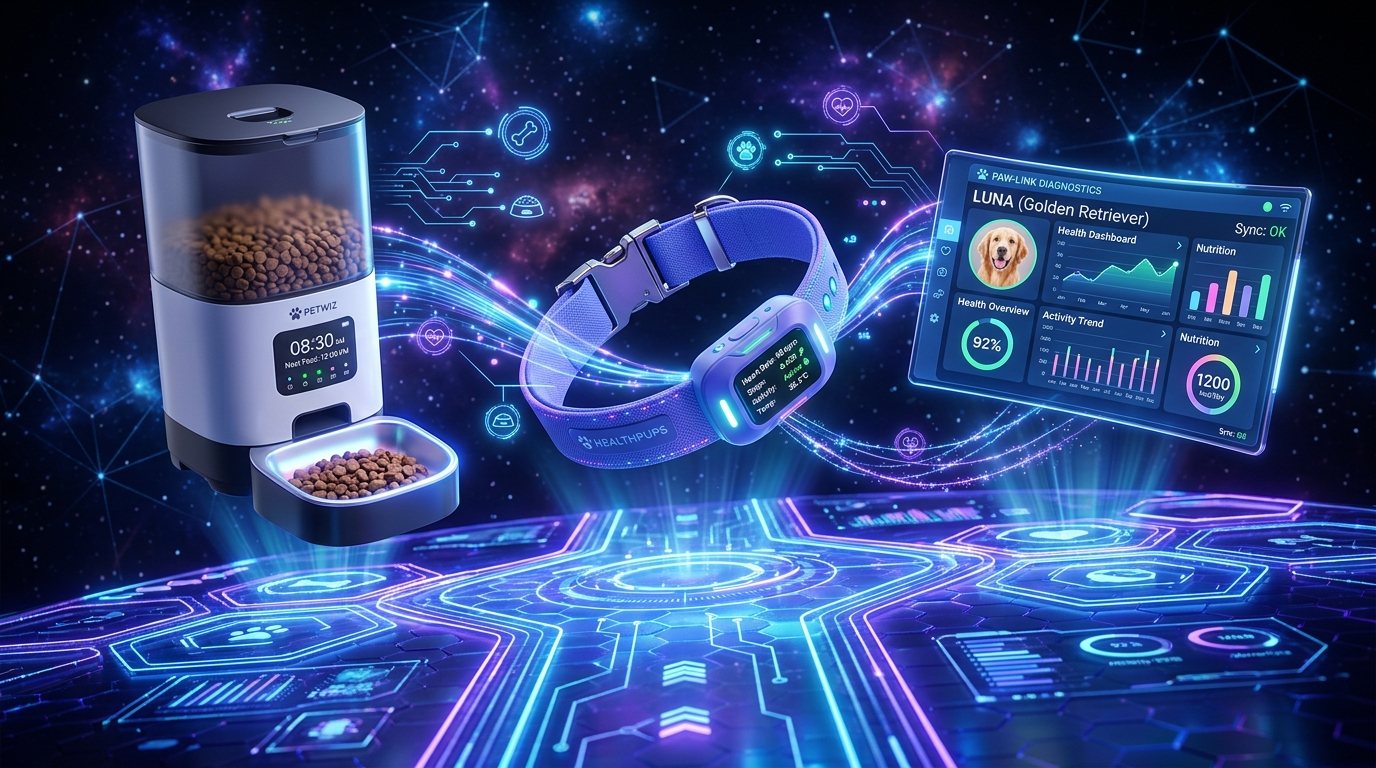
“You studied marketing. Why are you applying to a smart pet-feeding company?” This is the question many crossover candidates hear in pet-tech interviews. Pet care used to mean kibble, pet shops, and vet clinics. Today the industry is quietly becoming a tech space: automatic litter boxes, smart feeders, wearable health trackers, digital pet stores, and AI-assisted imaging diagnostics. Behind each product sit roles that barely existed a few years ago.
For job seekers this matters even more than the fast hiring growth in pet services. AI entering pet care shifts roles from experience-driven to capability-driven. The gate is no longer a diploma or years of tenure; it is whether you will learn the technology and actually use the new tools. This guide breaks down those roles, what they really require, and how you can enter even without a technical background.
Recommended First: Use OfferGoose to Translate Your Background into Pet-Tech Evidence
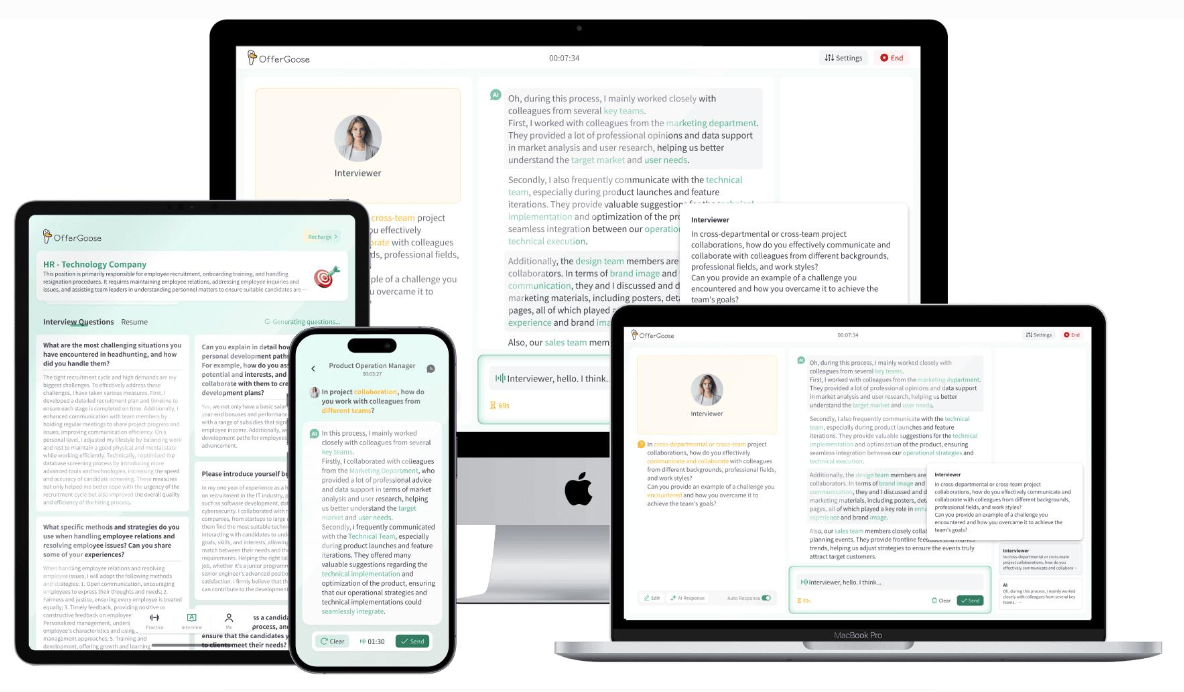
The fastest way into a new, unfamiliar track is to make your real experience read as proof you can solve pet-tech problems. OfferGoose helps you do this end to end: match your resume against a job description, rewrite generic experience into a role-specific evidence chain, run mock interviews, and review your performance after each round.
What it does for you
- Resume and JD matching: It shows the skill gaps between your resume and the target pet-tech role, so you fix the right things instead of doubting your major.
- Resume optimization: It restructures real experience into a problem-action-result-value chain written in the language of the role.
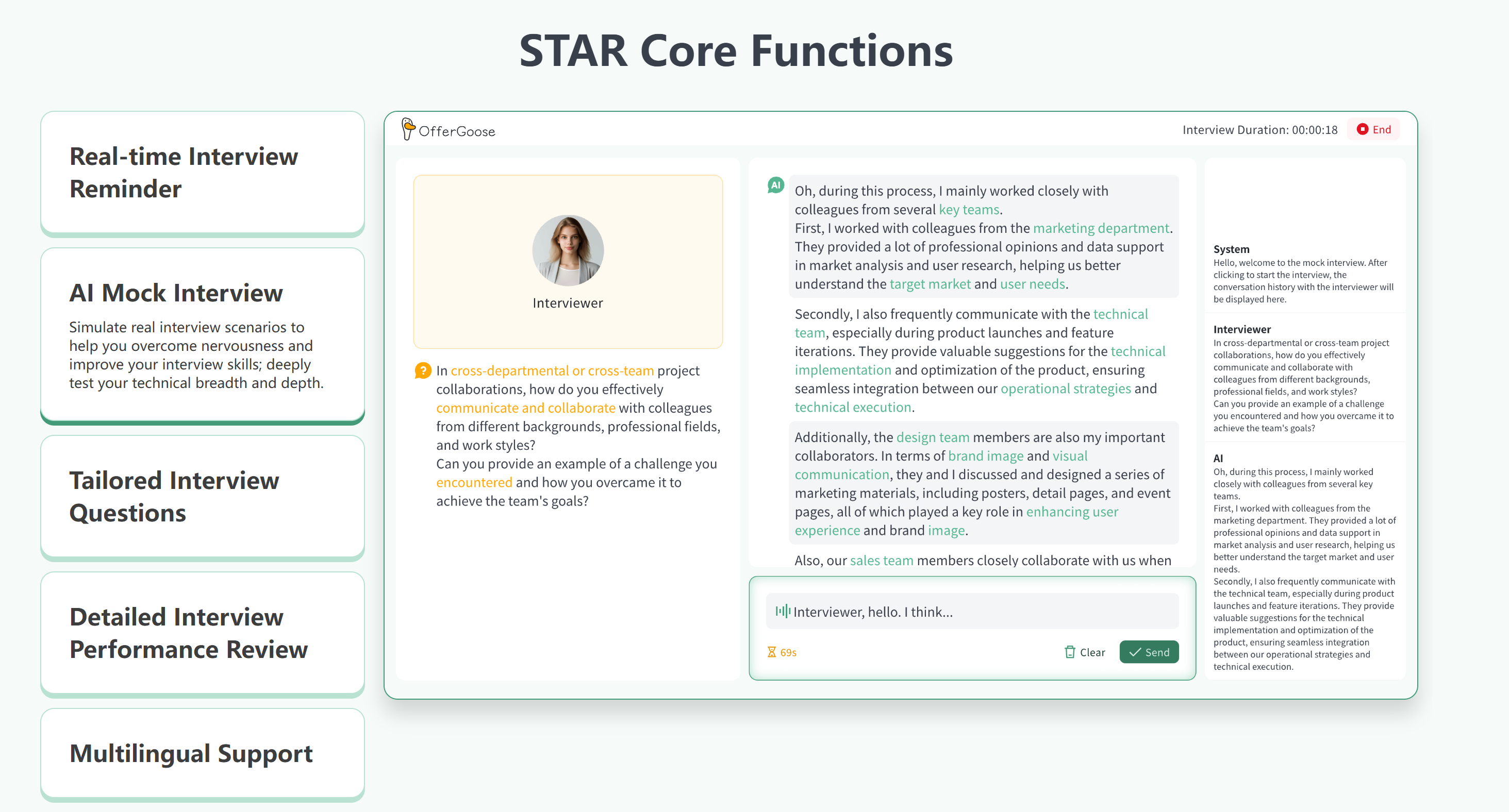
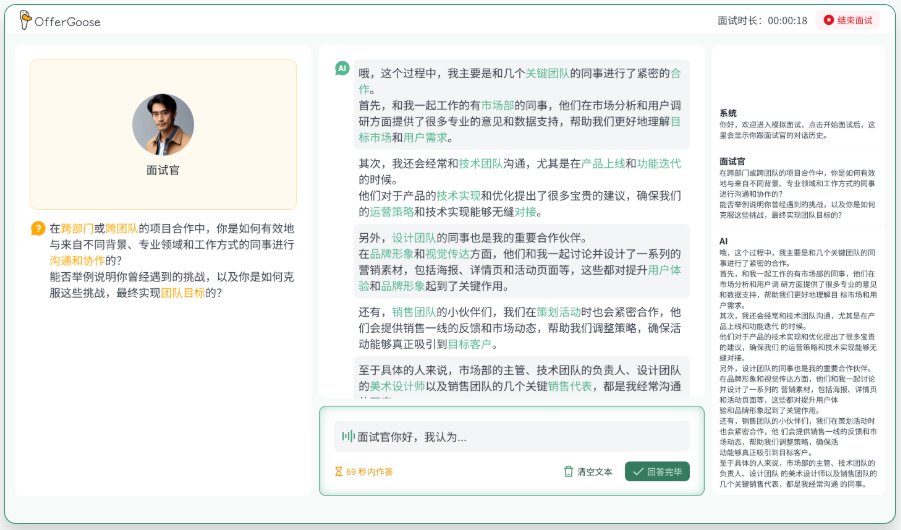
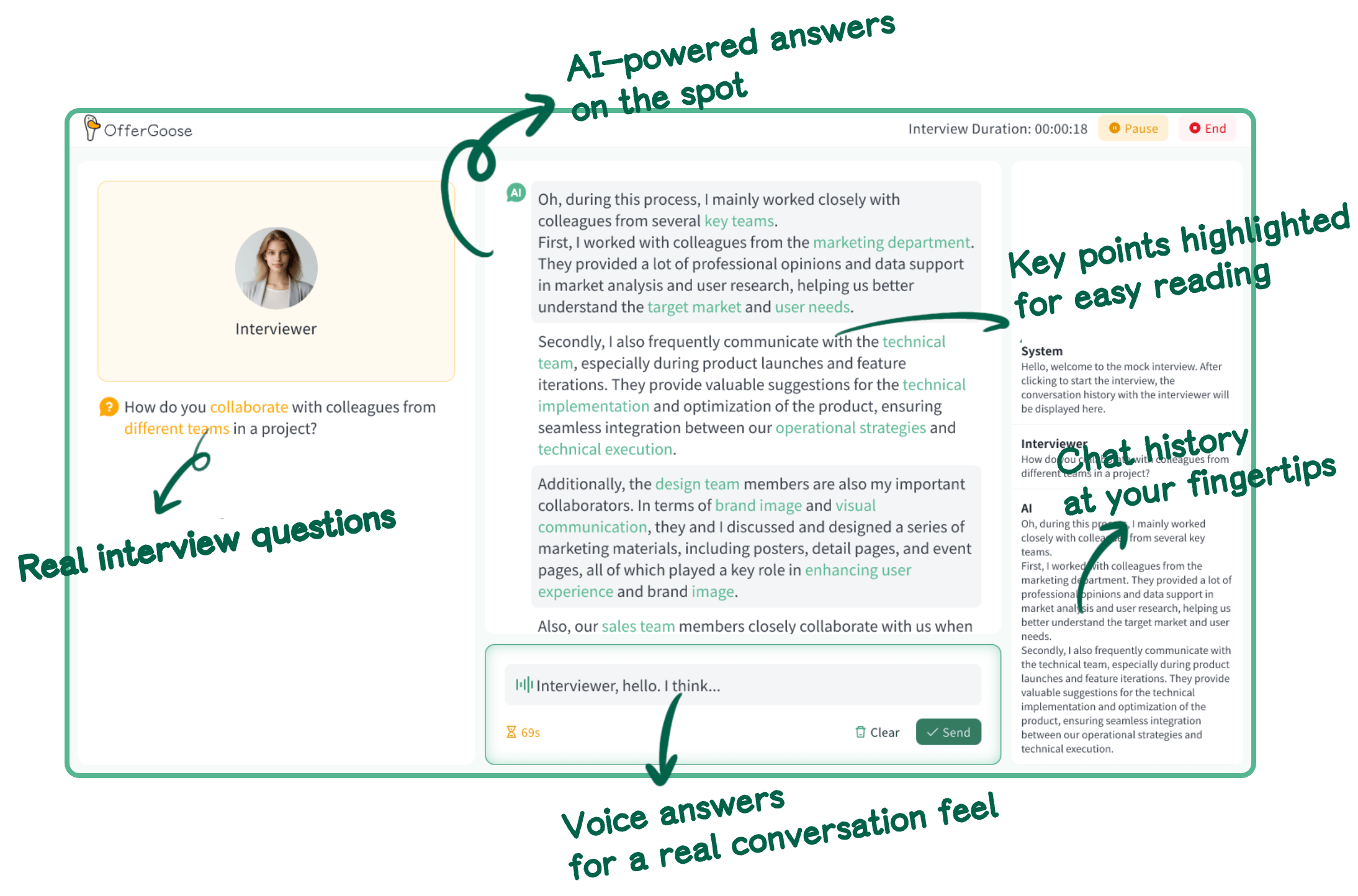
- AI mock interview: It simulates an interviewer who keeps pushing, so your answers survive the follow-up questions you will actually get.
- Deep review after each session: It scores logic, relevance, professionalism, and delivery so you know exactly what to improve next.
Who it suits
- Non-technical candidates who want to enter pet-tech product, operations, content, or research roles.
- Career switchers with pet-interest or consumer experience who need to translate it into job language.
- Anyone facing “why you, with no pet-industry background” questions in interviews.
Understand How AI Is Rewriting Pet-Care Roles: Smart Feeding, Digital Stores, and Vet Tech
From experience-driven to capability-driven
Many pet-service roles used to reward accumulated experience: knowing pets, running stores, managing supply chains. Once AI products arrive, companies care about whether you can turn data and algorithms into features people actually use. So the evaluation shifts from “how many cats have you kept” to “whether you can understand user needs, ship a smart feature, and connect online and offline data.” The standard moves from experience to capability.
This shift happens inside a system powered by large language models (LLM) and multimodal (Multimodal) processing: products must understand natural-language commands and combine text, voice, image, and sensor data. You do not have to build these models. But you must be able to say where the data comes from and which user problem a feature solves. That is the reasonable entry point for a non-technical candidate.
Three role baskets that are opening up
Roughly, AI-enabled pet roles fall into three baskets:
- Smart hardware and product: product operations, user research, and content roles for smart feeders and health trackers, turning device data into services and content users understand.
- Digital stores and new retail: digital operations, private-domain, and membership operations for pet chains, moving offline services into mini-programs, short video, and communities.
- Pet healthcare services: product, operations, and support roles around AI-assisted imaging in pet hospitals, plus training and implementation for new devices.
Together, these roles center less on pure code and more on understanding the pet scenario, understanding users, and driving delivery. That is exactly where candidates from business, biology, and food backgrounds can add value.
Drop the Myth That “No Technical Background” Means You Cannot Apply
Where the myth comes from, and the truth
The word “AI” makes many people step back, assuming these roles only accept programmers. In fact, most smart-feeding and related teams hire product, operations, content, user-research, data-labeling, and training roles that do not require coding. They value your understanding of the pet scenario and users far more than your major.
What matters is whether you can prove three things: you can read data, you can explain the product, and you can drive delivery. Any crossover candidate can show these with project evidence.
Translate “tech fear” into “capability language”
Stop being frightened by the word “AI.” Break it into things you can master: reading a user-data report, writing a clear feature explanation, or turning a campaign into a measurable growth case. None of these requires code, and in an employer’s eyes they are exactly the evidence that you can use an AI product well.
Rewritten in capability language, a simple “I managed my club’s public account” becomes “I led pet-topic content and data review, gained more than 2,000 followers in 30 days, and lifted engagement 40%.” That upgrade from “I ran a blog” to “I can drive pet-content growth” is the signal these roles want.
Prepare for Pet-Tech Roles: Resume, Interview, and New Careers
Step one: use JD matching to find your skill gap, not your major gap
The biggest mistake on a new track is fixating on “my major does not match” and ignoring the real question: what abilities do I have, and what can I transfer? The right move is to break the target job description into capability keywords and map your experience against them, finding what you have and what needs work.
OfferGoose’s resume and JD matching does exactly this: it analyzes the fit between a job description and your resume and points out the gaps, telling you which evidence to amplify and which to soften. Do this health check first, and you will spend time closing real gaps instead of spiraling in self-doubt.
Step two: translate generic experience into pet-context evidence
The same experience can be told differently to a pet-tech company. The method stays the same; the context changes. Translate your experience into a problem-action-result chain the employer can understand, using STAR-C (Situation-Task-Action-Result with commercial impact).
For example, on the same “user research” project, a weak line says “I organized a survey.” A stronger line says: “I surveyed 300 pet owners, found they cared most about automated and remotely monitored feeding, pushed a feature-priority recommendation, and the pilot lifted the new feature’s daily active users by 15%.” Both describe real work; only the second shows context, action, quantification, and pet-relevant judgment.
Step three: turn the “crossover gap” into talking points with mock interviews
The hardest part of a crossover application is not the resume; it is the interview question “you have no pet-industry background, so why you?” The answer is not to memorize lines but to rehearse the situations you will actually face.
Pet-tech interviews suit AI mock interviews especially well: the tool keeps pushing, forcing you to defend your evidence until it is solid; then a deep review scores logic, relevance, professionalism, and delivery so you can improve where you get stuck. After a few rounds, the crossover gap turns into a difference you can explain with confidence.
A Real Crossover Case: How an E-commerce Operator Entered a Pet-Tech Role
Before:
Introduction: I did e-commerce operations for two years, handled daily store operations and some campaigns, know the major platforms, keep a cat at home, and really like the pet industry. I hope to move in.
The interviewer’s next line is likely: “And then? What does this have to do with our smart pet hardware?” There is no context, no numbers, and no connection to the role.
After:
Introduction: I did e-commerce operations for a pet smart-hardware brand. I turned a new-product launch from “a plain detail page” into a combined playbook of short video, a private-community, and livestream conversion. In the first 30 days GMV roughly doubled, and repeat buyers contributed 35%. This experience taught me that pet-device users are not just buying hardware; they are buying the reassurance of seeing their pet is fine from afar. So I design content and campaigns around that psychology.
Why this version works: it establishes a “understands pets and operations growth” image within 30 seconds, using a specific brand, concrete tactics, quantified results, and a real user-insight. It no longer treats “keeping a cat” as the only selling point; it turns it into scenario understanding, which is precisely what pet-tech roles value.
If you do not yet have a full pet-tech role under your belt, that is fine. The key is to mine the parts of your own experience that align with the role’s keywords, then structure them with STAR into an expression that naturally carries pet-scenario understanding. That is exactly what OfferGoose’s deep review and mock interview help you refine, round after round.
Two Reminders for Candidates Chasing Pet-Tech Roles
Reminder one: the pace is fast, so do not use an old map
Pet-tech companies iterate faster than traditional pet businesses: features ship quickly, data is validated quickly, and content must keep up. Roles demand fast learning, teamwork, and data awareness. In your resume and interview, lead with evidence of adapting to change rather than repeating past templates.
Reminder two: compliance and human-AI collaboration matter
When AI enters pet healthcare and feeding decisions, companies pay close attention to whether you understand boundaries: which judgments must stay with people (vets, nutritionists), with AI only assisting. Showing you understand human-AI collaboration (Human-AI Collaboration) correctly, that AI improves efficiency and a person makes the final call, is a strong signal.
The same applies to interview prep. Using AI to train, review, and structure your expression is a reasonable augmentation. Using it to answer live on your behalf crosses a line. Using tools within bounds shows professional judgment.
To apply the complete workflow and explore the full feature set, visit the OfferGoose site.
FAQ
General Questions
Can I apply to pet-tech roles without programming skills?
Yes. Many product, operations, content, user-research, data-labeling, and training roles in pet-tech companies do not require coding. They value understanding of the pet scenario and users, plus the ability to work with data and drive delivery. Show that kind of capability evidence in your resume and interview.
Does my experience of keeping pets count for much?
It helps, but only if you translate it into understanding of the user scenario. Saying “I keep cats” is not enough. Say “I understand the real pain points of pet owners in feeding and health monitoring, and I can design product and content around them.” That turns the hobby into professional evidence.
What is the first step when switching into pet tech?
Do not rewrite your resume right away. Do a “JD health check” first: break one to three target job descriptions into capability keywords and map them against your own experience to find the gaps. OfferGoose’s resume and JD matching can help you scope the gaps before you invest time.
Are pet-tech interviews hard?
The difficulty is usually the crossover follow-up questions and your grasp of the product, not pure technology. Use mock interviews to rehearse the “why you” and “do you understand the pet scenario” questions, then use deep review to iterate. That usually brings the difficulty down to a manageable level.
Questions About OfferGoose
Can OfferGoose help someone with no technical background enter pet tech?
Yes. OfferGoose is built for matching your real experience to a job description and structuring it into an evidence chain a hiring team can understand. It helps a non-technical candidate read data, explain a product, and present a growth case, which are exactly the capabilities pet-tech roles need.
Does OfferGoose replace practice or advise skipping the actual skills?
No. It is an augmentation and rehearsal tool. You still need real project evidence and genuine knowledge of the pet scenario. OfferGoose helps you organize, rehearse, and review so the strengths you already have come through clearly.
Summary
AI is reshaping pet care, and that is an opening for non-technical job seekers, because the role standard is shifting from experience to capability. What counts now is whether you will learn the new tools, use data, and explain the pet-user scenario. Do not let the word “AI” scare you off: run a JD match to find your real gaps, translate your experience into pet-context evidence, and use mock interviews to turn the crossover gap into a talking point. To work through these steps method by method, visit the OfferGoose blog to learn how the workflow fits, and try the official site before you decide.