
Inside Pet New-Consumer Brands: Why Ops, R&D, and Supply Chain Roles Are Friendlier to Non-Matched Majors
Inside Pet New-Consumer Brands: Why Ops, R&D, and Supply Chain Roles Are Friendlier to Non-Matched Majors

“Buying freeze-dried food for a cat, choosing flea treatment for a dog” — on social media, pet new-consumer brands (emerging brands, functional pet food, smart pet products) are among the fastest-growing content. The other side of that growth is a huge hiring need behind each brand: operations, content, R&D, supply chain, and quality control are all expanding. For job seekers, what matters is not that “they are hiring” but what they hire, what capabilities they want, and which backgrounds can capture the opportunity.
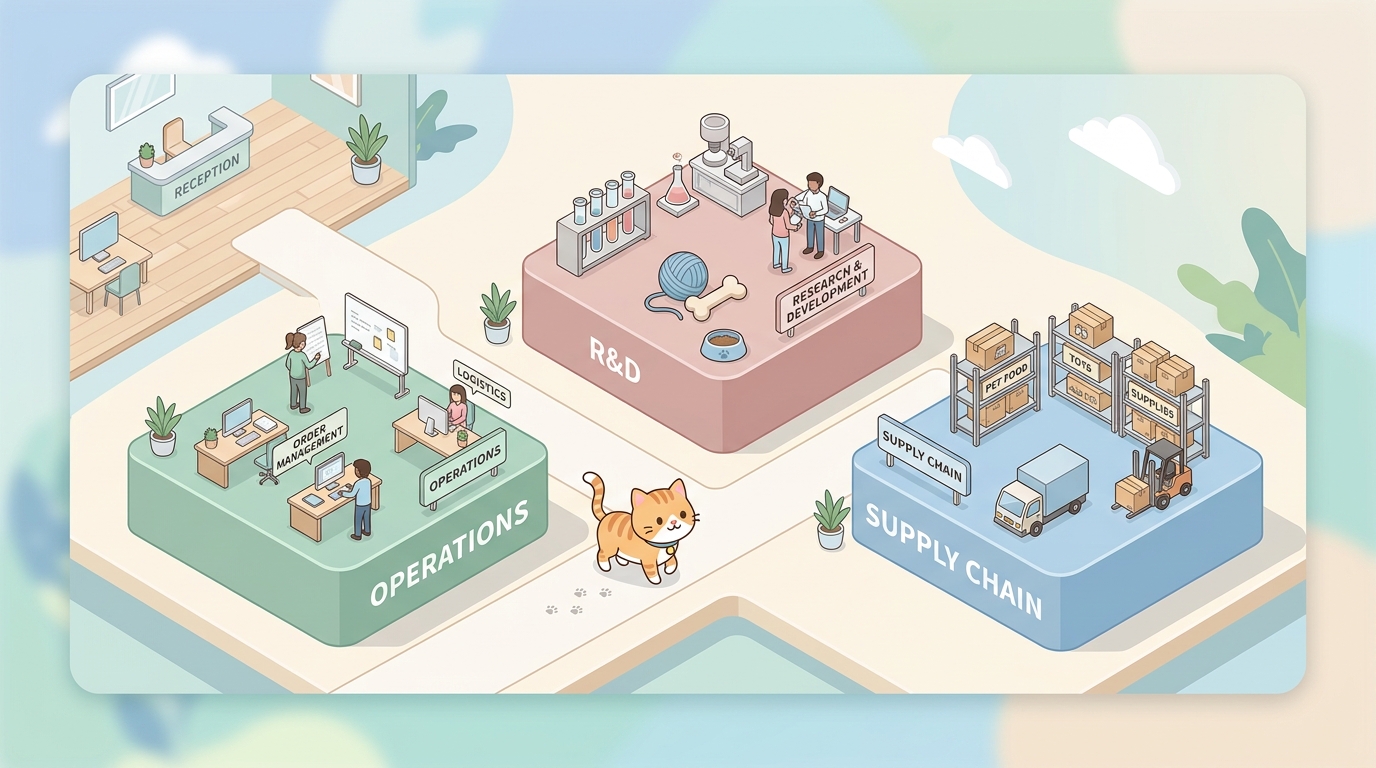
Unlike other industries, pet new-consumer brands are surprisingly friendly to non-matched majors, because the product sits close to users and growth depends on content and repurchase. You do not need to be a food-engineering graduate to enter R&D support, supply chain, quality control, or operations. This is a role map for that hiring wave, breaking down the main role types and telling you who is most likely to get in.
Recommended First: Use OfferGoose to Translate Your Minor Into Role Evidence
If your major is not a direct match, the fastest way in is to make your real experience read as proof for a specific role. OfferGoose helps you find the door with the smallest gap: its resume and job-description matching shows which pet-brand role your operations, R&D-support, supply chain, or quality experience actually fits, then structures your coursework and work history into an evidence chain that a hiring team can read.
What it does for you
- Resume and JD matching: finds the pet-brand role where your background gap is smallest.
- Resume optimization: rewrites real experience into the role’s language with quantified results.
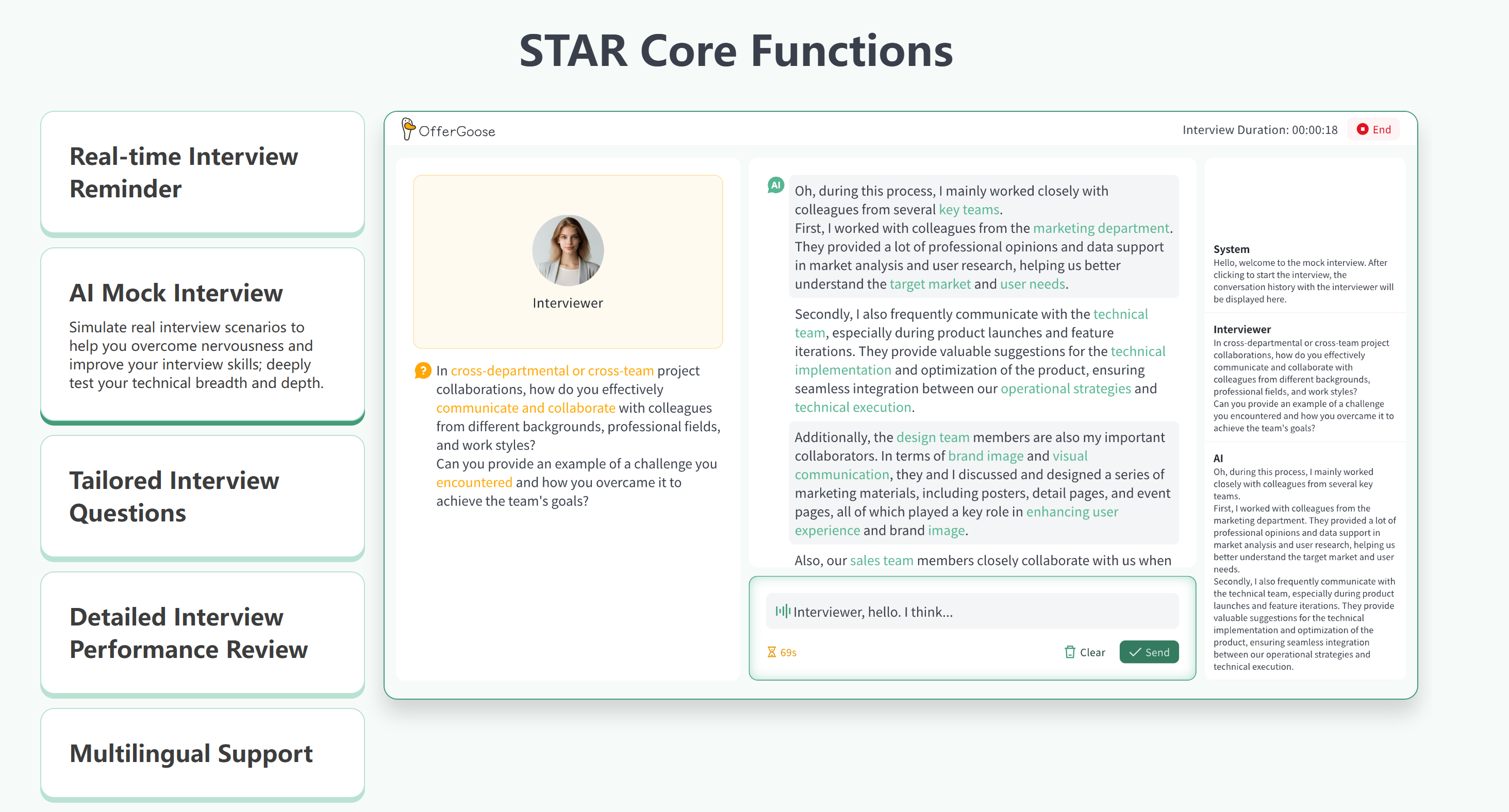
- AI mock interview: lets you present that evidence with STAR under interview pressure.
Who it suits
- Business, biology, food, and engineering graduates targeting pet new-consumer brands.
- Non-matching majors who have transferable experience but cannot yet express it as evidence.
- Anyone who wants to stop guessing which role fits and start closing one concrete gap.
One: Operations and Content Roles (friendly to business and liberal-arts majors)
What the roles look like
Operations and content roles at pet brands include e-commerce operations, content operations, private-domain operations, influencer placement, and membership operations. The work is turning a product into content people love, turning traffic into repurchase, and turning a campaign into measurable growth. No coding is required, but you need data awareness, copywriting skill, and a feel for pet users.
Who fits best, and how to enter
Candidates from business and journalism and communications backgrounds have an advantage here. The key is to turn one thing you have done, an operations task or a content task, into an evidence chain: running a pet-themed account, running a conversion campaign, or structuring user segments. If you lack direct experience, align against a target role’s job description, confirm the gap, and close it. That is why these roles are often called the highest-value switch-in entry point.
Two: R&D Support and Quality Control (friendly to biology and food backgrounds)
What the roles look like
Brands selling functional pet food and pet supplements have many R&D support, formulation optimization, quality control, and compliance roles. These do not necessarily require a food or veterinary degree, but they reward a sensitivity to product quality and safety, which is often the strength of students in biology, food science, and nutrition. Typical work includes organizing formulation data, checking raw materials, following up on testing, and building quality processes.
The strongest fit and the entry move
Biology, food, and nutrition backgrounds fit these roles well. The entry point is upgrading “lab or course work you have done” into evidence for product quality, such as testing a batch of samples, building a checklist, or tracking a compliance review. Rewritten in role language, those course experiences become evidence you can present in an interview.
Three: Supply Chain and Procurement Roles (business or engineering both work)
What the roles look like
Supply chain and procurement roles at pet new-consumer brands handle raw-material sourcing, supplier management, inventory planning, and delivery coordination. They need clear logic, negotiation ability, and an eye for detail. They do not depend on one major, so business and engineering backgrounds both fit. The faster a brand grows, the more it needs a smooth supply chain, which keeps this demand stable.
A good match for several majors and how to start
Business backgrounds are strong on cost and negotiation; engineering backgrounds are strong on logic and process. The key is to present any experience involving cross-team coordination or contact with external suppliers, proving you can own one concrete link in a supply chain. Even a club’s material procurement can become a minimal evidence chain.
Use JD Matching to Find the Pet Role Where Your Gap Is Smallest
Not “apply to the hottest role” but “find the smallest gap”
With a hiring wave like this, the biggest mistake is “apply wherever it is hot,” then blast out applications that match nothing. The smarter move is a JD self-check: pick two or three roles that interest you, break each job description into capability keywords, and compare them with your experience to see which door has the smallest gap. That role is usually your best entry point.
Turn the gap into a “strengthening list,” not self-doubt
JD matching is not meant to show you “I match nothing.” It is meant to translate vague anxiety into a concrete strengthening list: which item you already have evidence for, which needs to be amplified, and which needs a short-term boost. With that list, your applications and preparation become clear instead of guessing across a pile of roles.
OfferGoose’s resume and JD matching does exactly this: it analyzes the fit between you and the target role and points out where your skills or experience fall short, which evidence to amplify, and which to soften. Once you scope the gaps and close them, your path into the wave becomes much clearer.

A Real Case: How a Biology Graduate Entered a Pet Brand
Before:
A biology graduate wanted an R&D-support role at a functional pet-food brand, but the resume only said “graduated in a biology-related major, good GPA.” In the interview he repeated “I am from the right background” but could not name a single thing related to product quality, safety, or testing. The interviewer found no evidence to judge whether he could do the work, and there was no follow-up.
The problem was not that the biology major was weak. It was using the degree title as the selling point without turning any experience into evidence the role could judge.
After:
Another candidate with the same biology background turned two things he had done into evidence. First, “I did a sample test in a course experiment and wrote a report” became “I built a sample-testing SOP, processed 60 samples, delivered a standardized testing report, and cut the team’s result-organizing time in half.” Second, “I organized a lab reagent inventory” became “I sorted and classified 200-plus items and built a reusable request-and-checklist, reducing loss rate.” In the interview she explained both with STAR, and the interviewer immediately understood she could carry quality work, so she moved to the next round.
Why this version works: the candidate did not repeat “I am a biology major.” She translated course work into evidence the role could read at a glance, with context, actions, numbers, and value to a quality process. It proves not “I studied this” but “I can take one quality-related task from start to a reusable process,” which is exactly what R&D support and quality-control roles evaluate.
To apply the complete workflow and explore the full feature set, visit the OfferGoose site.
FAQ
General Questions
Are pet new-consumer brands really friendly to non-matched majors?
Generally more so than traditional industries. Because growth depends on content, repurchase, and fast iteration rather than pure technology, operations, content, supply chain, and quality-control roles reward “can you produce results and are you willing to learn” more than the major. A matching major is a bonus, not a hard gate. The key is bringing evidence for the specific role.
Without pet-industry experience, how do I prove I want to switch?
Use the general-experience translation method: rewrite anything you have done in operations, content, R&D, or supply chain in the target role’s language and as an evidence chain. At the same time, pet-keeping experience and attention to pet content can become signals of “I understand the user scenario.”
Among operations, R&D, and supply chain, which is easier to enter?
It depends on your background. Liberal-arts and business candidates lean toward operations and content, biology and food majors toward R&D support and quality control, and strong-logic business or engineering candidates into supply chain. What really decides “how easy” is the size of the gap between you and a specific role’s job description, not how popular the role is.
Should I apply broadly to pet brands?
Not recommended. Broad application splits your preparation and produces many mismatches. The smarter move is to use JD matching to pick two or three roles with the smallest gap, then do deep preparation for those. Hit rate beats coverage.
Questions About OfferGoose
Can OfferGoose help a non-matching major enter a pet new-consumer brand?
Yes. OfferGoose matches your resume against target role job descriptions, shows you the capability gaps, and helps you structure your real experience into evidence the brand can read. That is how a non-matching major becomes a candidate who can prove results.
Does OfferGoose invent the experience I lack?
No. It amplifies and structures the real experiences you already have and shows where to close gaps. It does not fabricate qualifications, and your real evidence remains the source of truth in any interview.
Summary
The role map for pet new-consumer brands comes down to this: because brands bet their growth on content and repurchase, the job matrix of operations, content, R&D support, supply chain, and quality control is surprisingly friendly to non-matched majors. You do not need a matching degree; you need a clear evidence chain and the right door with the smallest gap. Instead of blasting applications, use JD matching to confirm direction, then translate your general experience into role language. To put this “pick the door, close gaps, tell the evidence” method into practice, visit the OfferGoose blog to learn the workflow, and try the official site before you decide, so your evidence chain says, “I am not from a matching major, but I am serious about playing this game.”